
To Plot or Not to Plot, That is the Question
There’s more information on the internet about how to write a book than AI could shake its imaginary stick at.
Today we’re going to talk about plotting, but excessive planning isn’t the only way to finish a novel.
For those of you who don’t plan a book (pansters/gardeners), don’t worry, I’ll get to you in a minute.
Plotters/Architects
I’ve read dozens of books on how to write a novel. Some blew my mind and influenced the way I plan a story, while others graced me with one or two little plotting gems that I keep in my toolbox for special occasions.
If anyone tells you there’s only one way to plan your story, ignore them. They’re wrong. Go about your business.
At this point, I’ve written fifty books, so I feel like I’m okay at plotting.
Not perfect, because some days I feel like the novel I’m working on is my very first and I’m back to square one, while other weeks I don’t have to plan a thing and can basically write five or ten chapters without having to plan them.
I can chat with another author who has published about the same number of books as me, and ask them about their writing process. I might totally understand how they do it, or my eyes might glaze over as I only follow a quarter of what they say.
Everyone is different.
And that’s okay.
When I started writing, I found it easier to work with a vague outline. I used the Seven-Point Plot Structure, as described by Dan Wells, to plan my first series.
Click HERE if you want more info on this one.

I, personally, found that this gave me too much leeway. I wanted more structure.
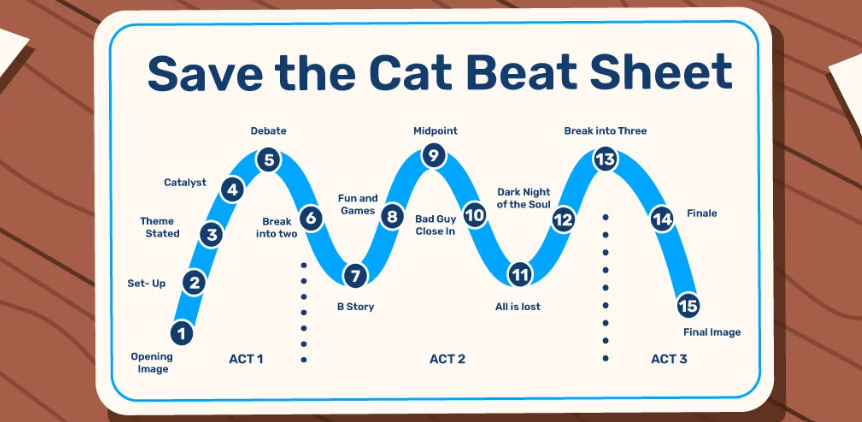
So I upgraded to Blake Snyder’s Save the Cat method.
I could go through it, but why when someone has already done it so well? Click HERE for more on Save the Cat.
After producing a few books, I started adding more to my process from various sources including other books, writing conferences, and even just reading and watching great fiction.
I’ve got a whole, hour-long presentation about how I’ve built my own plotting system. You’d think I’d have it down after 50 books, but it’s still evolving.
To be clear, I wrote my first three or four books with just the basics of Seven-Points. I didn’t need more to give life to my story.
Don’t be afraid to move forward because you don’t have the perfect system.
Just write.
Pansters/Gardeners
I know a lot of people who refuse to outline a book before they start writing it.
The most interesting reason I’ve heard for this is that if the author knows the end of the story before they start, then there’s no reason to put it on paper. They’re bored before they begin, because first and foremost, the story must entertain them.
If that’s you…I see you. I don’t necessarily understand you, but I know you’re there and that your process is totally valid. You do whatever you have to do to get that novel into the computer! (Or down on paper, if you’re old-school.)
You may be able to think about a few things beforehand, like character background and theme, that should help with the novel.
There are a lot of ways for a pantser to get their book finished. Since I’m more of a plotter, I’d suggest doing an internet search for advice.
The few times I’ve jumped into a book without doing more than cursory planning I’ve decided about how long I want it to be and I took The Save the Cat beats and wrote down what chapters they should be in. Just to give me some pacing. That might be something that could work for you, or not.
Like I said before, everyone is different.
I was once at a panel at a writing conference and a young woman asked if what she was doing was okay.
What was she doing?
She was putting her book up on a free website (Smashwords or something like that) a chapter at a time. Her readers would read it, tell her what they loved and hated, and then she’d write the next chapter.
This…is not for me. However, she needed that constant validation to move forward.
So I told her she could do whatever she wanted. It’s her book, and if that’s how she can get it written, then do it.
Just write your book! Someone in the world needs your story.
In case you’re interested, here’s a list of just some of the books I’ve read that have helped me with my plotting system:
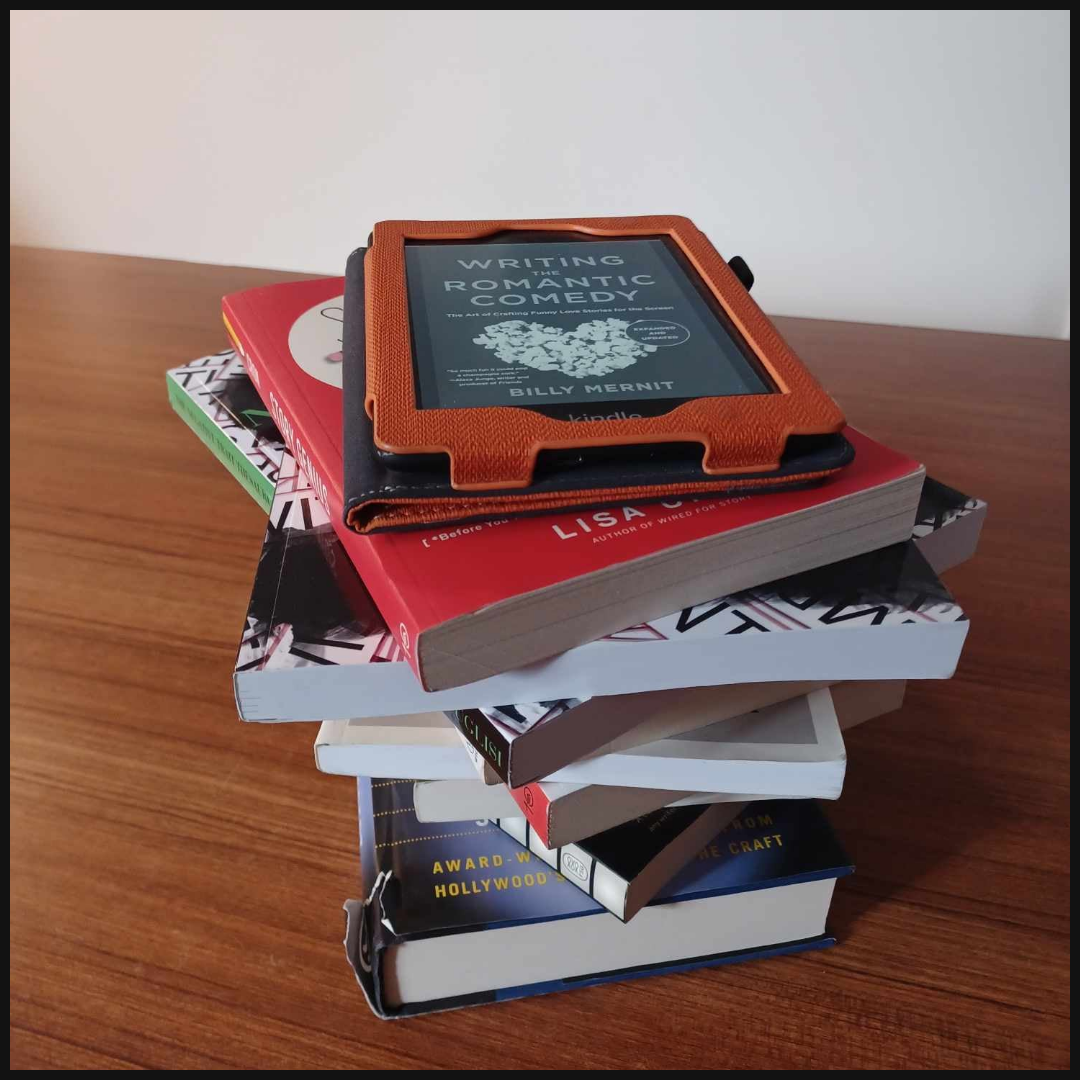
Story by Robert McKee
The Anatomy of Story by Jon Truby
Techniques of the Selling Author by Dwight V. Swain
Save the Cat series by Blake Snyder (Saves the Cat Strikes Back helped me the most, although you need to read the original first. Save the Cat Writes a Novel is excellent!)
Getting into Character by Brandilyn Collins
Take Off Your Pants by Libbie Hawker
Story Genius by Lisa Cron


